Most people looking into orthodontic treatment have the same concern: they don’t want braces that change how they present themselves at work, at dinner, or anywhere in between. Invisalign has become the go-to choice for Manhattan professionals and residents who want straighter teeth without the look and feel of traditional metal brackets and wires.
Clear aligner treatment fits into even the most demanding schedules. Our orthodontists at Seaport Orthodontics have seen this firsthand across a wide range of patients. Your smile correction doesn’t have to announce itself to everyone in the conference room.
What Is Invisalign and Why Is It So Popular?
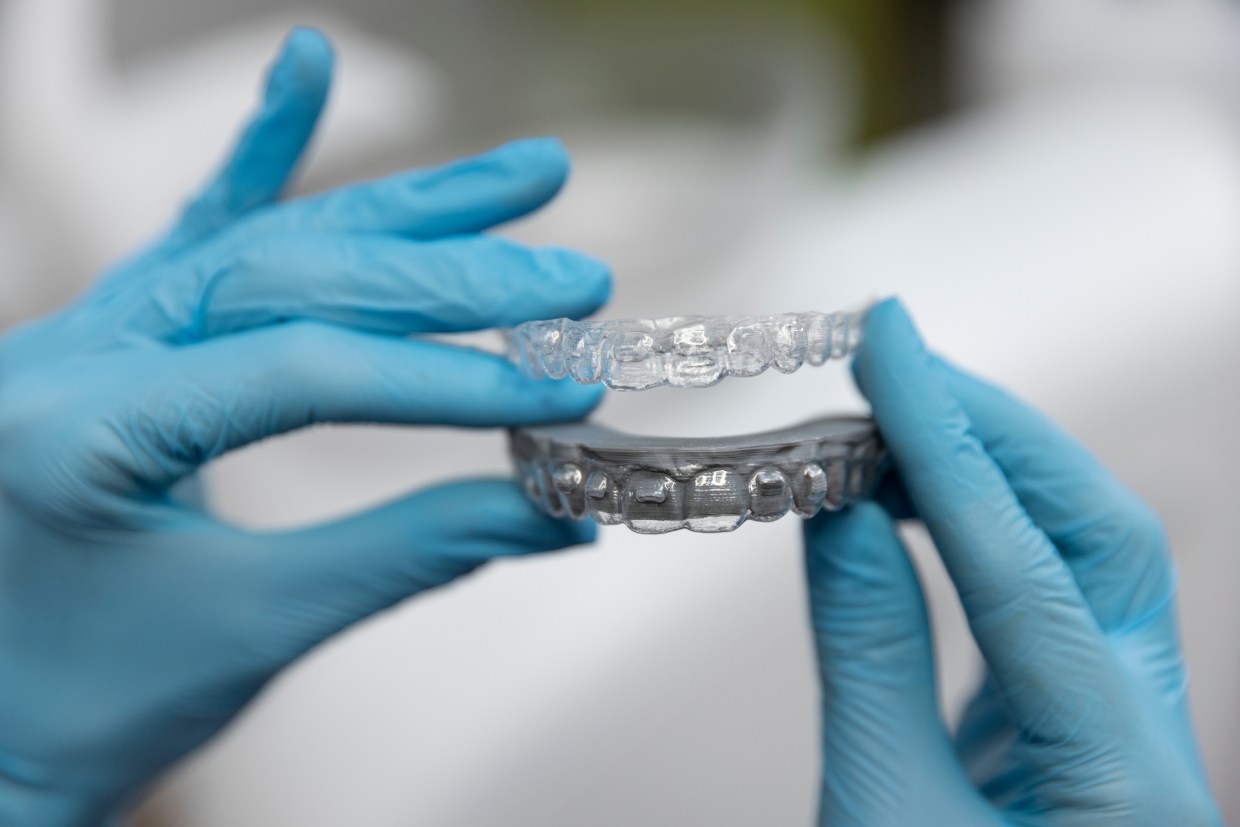
Invisalign is a clear aligner system that moves teeth into better alignment using a series of custom-made, removable plastic trays. It offers a nearly invisible alternative to traditional braces. Each set of aligners applies gentle, targeted pressure to shift your teeth gradually into their ideal positions.
The trays are crafted from SmartTrack, a patented thermoplastic material that the FDA has cleared for orthodontic use. This material was engineered specifically for comfort, flexibility, and predictable tooth movement.
What makes Invisalign different from traditional braces? The aligners are virtually invisible. When you’re wearing them, most people won’t notice anything at all.
This near-invisibility is precisely why Invisalign appeals so strongly to professionals, creatives, and anyone with an active social life. You can walk into a board presentation, a first date, or a networking event without anyone knowing you’re in the middle of orthodontic treatment. For patients in Manhattan, where first impressions carry real weight, that discretion matters.
The clinical track record backs up the popularity. As of 2024, Align Technology reports that over 17 million patients worldwide have been treated with Invisalign since its introduction. That kind of volume gives both patients and orthodontic specialists confidence in the system’s effectiveness.
For image-conscious people who can’t afford to look anything less than polished, Invisalign offers something braces simply cannot: discretion. Your treatment works quietly in the background while you keep living your life.
How Does Invisalign Work? The Step-by-Step Process
Understanding how Invisalign works can help you feel more confident about starting treatment. Here’s what the process looks like from consultation to final result:
- Initial Consultation and Digital Scanning
Your treatment begins with a thorough evaluation by an orthodontic specialist. Our team uses advanced digital 3D scanning technology to capture precise images of your teeth, so there’s no need for messy, uncomfortable putty impressions. The scanner creates a detailed digital model of your mouth in minutes. - Custom Treatment Planning with ClinCheck
This is where things get interesting. Your orthodontist at Seaport Orthodontics creates a virtual treatment plan through ClinCheck software, mapping every stage of tooth movement from start to finish. You’ll actually see a simulation of how your teeth will shift throughout treatment and what your final smile will look like. It’s a preview of your results before anything begins, and patients consistently tell us this step makes the whole process feel more real and more exciting. - Aligner Fabrication and Delivery
Based on your approved plan, a series of custom aligners is manufactured specifically for you. Each tray is slightly different, designed to move your teeth incrementally toward their target positions. - Wearing Your Aligners
Wear each set 20 to 22 hours per day. Remove them to eat, drink anything other than water, and brush your teeth. Switch to the next set every one to two weeks. - Progress Monitoring
Check-in visits at Seaport Orthodontics happen every six to eight weeks. These are quick, focused on confirming everything is tracking as planned and picking up your next sets of aligners. - Treatment Completion
Invisalign treatments typically take between 6 and 18 months, depending on the complexity of your case. Once your teeth have reached their final positions, you’ll transition to retainers to maintain your results.
The entire process is designed to fit around your schedule, not the other way around.
Key Benefits of Choosing Invisalign Over Traditional Orthodontics
Why do so many people choose Invisalign? For patients at Seaport Orthodontics in lower manhattan, the benefits extend far beyond aesthetics, though that’s certainly a major factor.
Nearly Invisible by Design
Clear aligners are made from transparent SmartTrack material that hugs your teeth closely. When you’re wearing them, people around you won’t notice. Whether you’re presenting to clients, appearing on camera, or enjoying a night out in Manhattan, your treatment stays your business.
Removable When You Need It
Unlike braces, which are bonded to your teeth for the duration of treatment, Invisalign trays come out whenever you need them to. Want to enjoy a bagel without worrying about food getting stuck? Take them out. Need to floss properly? No problem.
This removability makes maintaining your oral hygiene significantly easier, and it means you never have to skip a meal or avoid certain foods.
A More Comfortable Fit
The smooth plastic surface of Invisalign aligners is gentler on your cheeks and gums than metal brackets and wires. You’ll feel some pressure when you switch to a new set of trays, but you won’t deal with the poking and irritation that often comes with traditional braces. Patients typically describe the sensation as mild tightness rather than actual discomfort.
Fewer Visits to the Practice
Invisalign requires fewer in-person visits than braces in most cases. You’ll spend less time in the orthodontist’s chair and more time doing what matters to you. For people with packed calendars, this alone can be a deciding factor.
Predictable Results from Day One
Digital treatment planning means you know what to expect before you begin. That virtual preview of your finished smile isn’t just motivating. It’s a guide your orthodontist follows throughout your treatment, making the process more transparent from the very first visit.
Invisalign vs. Braces: Which Option Is Right for You?
Choosing between Invisalign and braces isn’t always straightforward. Both options have their strengths, and the right choice depends on your specific needs. Your orthodontist at Seaport Orthodontics can help you weigh these factors based on your case.
| Factor | Invisalign | Traditional Metal Braces | Clear Ceramic Braces |
|---|---|---|---|
| Visibility | Nearly invisible | Highly visible | Less visible than metal |
| Removability | Fully removable | Fixed to teeth | Fixed to teeth |
| Treatment Scope | Mild to moderate cases | All complexity levels | All complexity levels |
| Comfort | Smooth plastic | May cause irritation | May cause irritation |
| Compliance Required | High (20-22 hrs/day) | None (always on) | None (always on) |
| Food Restrictions | None | Yes | Yes |
| Average Treatment Time | 6-18 months | 12-24 months | 12-24 months |
When Does Invisalign Work Best?
Invisalign handles mild to moderate crowding, spacing issues, and many bite concerns effectively. If your case falls within these parameters and you’re committed to wearing your aligners consistently, you’re a strong candidate.
When Are Braces the Better Choice?
Severe crowding, significant gaps, complex tooth rotations, or substantial skeletal issues may require the mechanical advantages that braces provide. Metal brackets and wires can exert forces in ways that aligners sometimes cannot.
What About Other Clear Aligner Brands?
Invisalign isn’t the only clear aligner system available. Spark aligners and ClearCorrect offer similar benefits with some variations in material and approach. Our orthodontists can discuss whether one of these alternatives might suit your needs better.
How Important Is Compliance?
Here’s the honest truth: Invisalign only works if you wear it. The 20-22 hours per day requirement isn’t a suggestion.
If you’re someone who might forget to put your aligners back in after meals or find yourself leaving them out for extended periods, braces might actually deliver better results. They work continuously without any effort on your part, which removes the compliance variable entirely.
How Much Does Invisalign Cost in Manhattan?
Invisalign treatment in Manhattan typically ranges from $3,000 to $8,000, depending on case complexity, treatment duration, and the specifics of your orthodontic needs. Your specific investment will depend on several factors unique to your case.
What Influences Cost?
- Case Complexity: More severe misalignment requires more aligners and longer treatment, which increases the cost.
- Treatment Duration: A 6-month case naturally costs less than an 18-month case.
- Number of Aligner Sets: Some patients need refinement trays toward the end of treatment to perfect their results.
- Geographic Location: Orthodontic fees vary by region. Manhattan practices reflect the cost of operating in New York City, though the investment in your smile holds its value regardless of where you live.
Insurance Coverage
Many dental insurance plans that cover orthodontic treatment apply the same benefits to Invisalign as they would to traditional braces. If your plan includes orthodontic coverage, a portion of your Invisalign treatment may be covered. Check with your insurance provider to understand your specific benefits.
Making Treatment Accessible
Financial concerns shouldn’t stand between you and the smile you want. Many orthodontic practices, including Seaport Orthodontics, offer flexible payment plans and financing options to help make treatment accessible. A consultation gives you the opportunity to receive a cost estimate based on your specific case.
The best way to know what Invisalign will cost for your situation is to have an orthodontist evaluate your case directly.
Am I a Good Candidate for Invisalign?
Good candidates for Invisalign include adults and teens with mild to moderate crowding, spacing, or bite concerns who can commit to wearing aligners 20 to 22 hours daily and attending regular progress check-ins. That said, Invisalign isn’t the right solution for everyone. Here’s a closer look at what factors matter.
Conditions Invisalign Treats Effectively
- Crowded teeth, where teeth overlap or are pushed out of alignment
- Gaps between teeth
- Overbite, underbite, and crossbite
- Open bite
Ideal Candidate Characteristics
- Adults and teens with mild to moderate orthodontic needs
- Patients committed to wearing aligners 20-22 hours daily
- Individuals who will remember to remove aligners before eating and replace them promptly
- Those willing to attend regular progress visits
Not every case is suited for clear aligners. Severe skeletal discrepancies that require surgical intervention, extremely complex tooth rotations, and significant vertical tooth movements often call for a different approach. Very young patients whose teeth and jaws are still developing substantially are also better served by other treatment options.
The Only Way to Know for Sure
Online quizzes and self-assessments can give you a general idea, but they can’t replace a professional evaluation. An experienced orthodontist at Seaport Orthodontics needs to examine your teeth, bite, and jaw relationship to determine whether Invisalign will deliver the results you’re looking for. Manhattan patients can schedule a consultation to get a clear answer.
Frequently Asked Questions About Invisalign
Does Invisalign Hurt?
People in treatment typically experience mild pressure or tightness for the first day or two after switching to a new set of aligners. This sensation is completely normal and actually indicates that the aligners are doing their job. The discomfort is much less intense than what patients report with traditional braces adjustments. It fades quickly as your teeth adjust.
How Long Does Invisalign Take?
Treatment duration varies based on your specific case. The majority of people we treat complete their Invisalign treatment within 6 to 18 months. Simple cases involving minor crowding or spacing may finish on the shorter end, while more complex corrections take longer.
Can I Eat with Invisalign In?
No. Always remove your aligners before eating or drinking anything other than water. Eating with aligners in can damage them and trap food particles against your teeth, increasing the risk of cavities. Because you remove them for meals, though, you can eat whatever you want.
Will Invisalign Affect My Speech?
Some patients notice a slight lisp during the first few days. Your tongue needs a brief adjustment period to get used to the plastic in your mouth. For most people, this resolves within two to three days. Reading aloud can speed up the adjustment.
Can Teenagers Use Invisalign?
Yes, and there’s a version built specifically for them. Invisalign Teen includes compliance indicators, small blue dots on the aligners that fade with wear. These help parents and orthodontists confirm that the aligners are being worn as prescribed. The teen packages also include extra replacement aligners in case any get lost, which, if you’ve ever met a teenager, is a smart design choice.
What Happens After Treatment Ends?
Retention is essential. Once your teeth have moved into their new positions, they have a natural tendency to shift back toward where they started. Wearing retainers as directed by your orthodontist is the only way to maintain your results long-term.
In our experience, patients wear retainers nightly at first, then transition to a few nights per week over time. Your orthodontist will give you a specific schedule based on your case.