
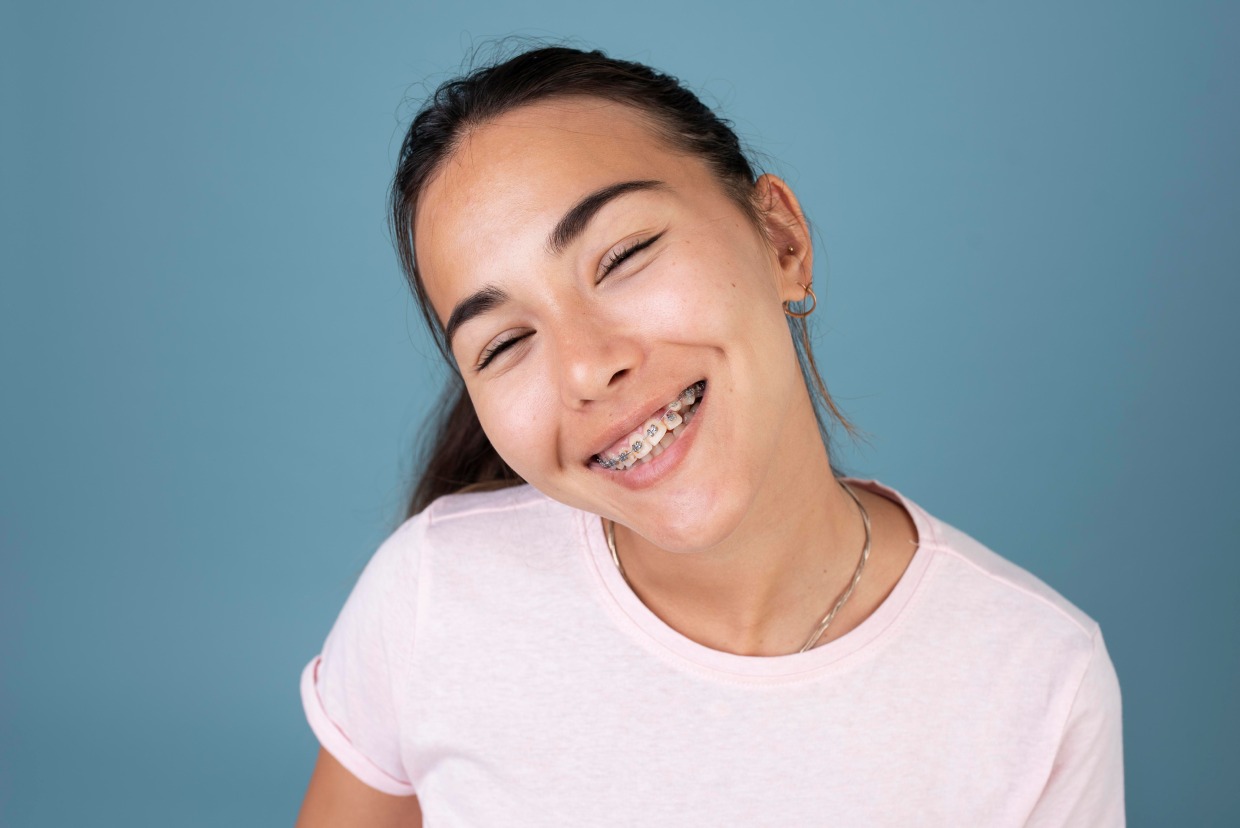
What Is Teen Orthodontic Treatment and Why Does It Matter?
Teen orthodontic treatment is specialized care designed to address bite and alignment concerns during adolescence, balancing confidence, school life, and smile improvement during a critical period of development. For families considering braces for teens, the timing matters. The jaw is still actively growing during these years, and teeth respond more readily to movement. This window makes adolescence an ideal time to correct orthodontic concerns that might otherwise require more complex intervention later in life.
During these formative years, orthodontists can address common concerns: crowding that makes teeth difficult to clean, gaps that affect appearance and function, overbites where upper teeth protrude significantly, underbites where lower teeth sit in front of upper teeth, and crossbites where teeth don’t align properly when the jaw closes. Left untreated, each of these issues can lead to uneven wear, jaw discomfort, and ongoing oral health challenges.
Aligned teeth are easier to brush and floss effectively, reducing the risk of cavities and gum disease. A corrected bite distributes chewing forces evenly, protecting teeth from premature wear. For teens moving through school hallways and social situations, a smile they feel confident about can make a real difference in how they carry themselves. That confidence matters.
According to the American Association of Orthodontists, children should have their first orthodontic evaluation by age seven. This early assessment allows orthodontists to monitor development and identify the right moment to start treatment. For many patients, that moment arrives during the early teen years, when a combination of skeletal growth and permanent tooth eruption creates optimal conditions for efficient, lasting correction. Our orthodontists, Dr. Zachary DiSpirito and Dr. Alberto Bordonaba (DDS MS), help families take full advantage of this treatment window.
How Teen Braces Work: From Consultation to Final Reveal
Understanding what to expect from orthodontic treatment helps teens and parents feel prepared for the process ahead. At Seaport Orthodontics NYC, treatment typically follows a clear progression from initial evaluation through final results, with each step building on the last.
Step 1: Complimentary Consultation
Everything starts with a thorough evaluation. Using advanced digital imaging, including 3D scanning technology, our orthodontists capture detailed views of your teen’s teeth, jaw, and bite. This information forms the foundation of a treatment plan tailored to their specific needs and goals. No guesswork, just precise diagnostic data guiding every recommendation. It’s straightforward.
Step 2: Customized Treatment Planning
Based on the consultation findings, a treatment plan takes shape. This plan addresses your teen’s orthodontic concerns while fitting their lifestyle. The process includes selecting the appropriate appliance type, establishing a realistic timeline, and setting clear goals for the outcome.
Step 3: Appliance Placement
Treatment begins with appliance placement or aligner fitting. For braces, this visit involves carefully bonding brackets to each tooth and connecting them with archwires. For Invisalign, your teen receives their first sets of custom-fabricated trays along with instructions for wear and care. Most teens barely notice after the first few days.
Step 4: Regular Progress Visits
Throughout active treatment, your teen returns every four to eight weeks for adjustment visits. These allow the orthodontist to monitor progress, make necessary modifications, and confirm treatment stays on track. Each visit is typically brief, and our team works around school schedules to minimize disruption.
Step 5: Retention Phase
When active treatment concludes, the retention phase begins. Custom retainers hold teeth in their new positions while surrounding bone and tissue stabilize. Consistent retainer wear is non-negotiable for preserving the results your teen worked to achieve.
Key Benefits of Braces for Teens: More Than Straight Teeth
Orthodontic treatment during the teen years delivers advantages that extend far beyond aesthetics. Here’s what your teen gains from investing in their smile now.
How Do Braces Improve Teen Self-Esteem?
High school and middle school are pivotal times for social development. A smile your teen feels proud of can positively influence how they engage with peers, participate in class, and approach new experiences. Confidence shows. Teens who feel good about their smile tend to smile more, speak up more, and put themselves out there in ways that shape who they become. These social and emotional benefits often matter just as much as the clinical ones.
Straight Teeth Are Easier to Keep Clean
Crowded or overlapping teeth create hard-to-reach spaces where plaque accumulates. Properly aligned teeth are significantly easier to brush and floss effectively, reducing the risk of cavities and gum inflammation. Over time, this means fewer dental concerns and healthier gums well into adulthood. Good alignment supports a lifetime of simpler, more effective oral care.
Bite Correction Protects Against Future Concerns
When teeth don’t meet correctly, the jaw works harder to compensate. Over time, this can lead to temporomandibular joint discomfort, headaches, and premature wear on tooth surfaces. Correcting the bite now protects against these concerns before they develop into something more involved. Teens who complete bite correction early often avoid restorative dental work that would otherwise become necessary in their twenties and thirties.
Can Treatment Work with an Active Teen Schedule?
Absolutely. Today’s orthodontic options accommodate busy teen lives. Whether your teen plays soccer, performs in the school band, or juggles AP classes, treatment adapts to their commitments rather than the other way around. Ongoing jaw development also means orthodontists can work with natural growth patterns to achieve results that might require more time or additional intervention in adulthood.
Traditional Braces vs. Clear Aligners: Which Is Right for Your Teen?
Choosing between treatment options involves weighing several factors specific to your teen’s needs, lifestyle, and orthodontic concerns.
| Factor | Traditional Metal Braces | Clear Ceramic Braces | Invisalign Teen |
|---|---|---|---|
| Appearance | Visible metal brackets and wires | Tooth-colored brackets blend with teeth | Nearly invisible removable trays |
| Best For | Complex cases, all bite types | Moderate to complex cases with aesthetic preference | Mild to moderate cases with compliant teens |
| Compliance Required | None, always working | None, always working | High, must wear 20-22 hours daily |
| Removability | Fixed throughout treatment | Fixed throughout treatment | Removable for eating and cleaning |
| Sports/Activities | Mouthguard recommended | Mouthguard recommended | Remove for contact sports |
Traditional Metal Braces
Traditional metal braces remain the most versatile option, capable of addressing complex cases that aligners may not fully resolve. Because they’re fixed in place, there’s no concern about your teen forgetting to wear them.
Clear Ceramic Braces
Clear ceramic braces offer the same effectiveness with a more subtle appearance. The tooth-colored brackets appeal to teens who want a less noticeable option without sacrificing treatment capability.
Invisalign Teen
Invisalign Teen provides a removable, nearly invisible alternative for eligible cases. The system includes compliance indicators that fade with wear, giving parents visibility into whether trays are being worn as prescribed. Replacement trays are available if any are lost.
The right choice depends on your teen’s orthodontic complexity, their ability to maintain compliance with removable appliances, and their personal preferences. A thorough consultation at Seaport Orthodontics NYC helps clarify which option will deliver the best results for their specific situation.
What Affects the Cost of Teen Braces?
The cost of teen braces depends on several factors, and understanding each one helps families plan with confidence. Here’s a closer look at what drives pricing and how to think about the investment.
Case complexity plays a significant role in overall cost. A teen with mild crowding will generally require less treatment time than one with a severe bite discrepancy or multiple alignment issues. More complex cases involve additional visits, specialized mechanics, and extended treatment duration, all of which affect pricing. The type of appliance matters too: metal braces typically represent the most accessible option, while Invisalign and ceramic braces may involve higher fees due to material costs and manufacturing processes.
Many dental insurance plans include orthodontic benefits for dependent children, often covering a portion of treatment costs. Our team at Seaport Orthodontics NYC works with families to maximize available benefits and provide clear information about coverage. Flexible payment plans can also spread the investment over the course of treatment, reducing the financial weight of a single large payment. Discussing these options during your complimentary consultation helps families understand the true cost before making any commitment.
Worth considering: addressing orthodontic concerns during the teen years can prevent more extensive and costly dental work in adulthood. Untreated bite issues may lead to worn teeth, jaw concerns, or the need for restorative procedures that far exceed the cost of orthodontic treatment. Early treatment often proves to be the more practical financial decision when viewed over a lifetime of dental health.
Is Your Teen a Good Candidate for Orthodontic Treatment?
Most teens aged eleven to fifteen with permanent teeth fully or mostly erupted are good candidates for orthodontic treatment. Exact timing varies by individual, but this age range typically aligns with the combination of skeletal growth and tooth development that makes treatment most efficient.
Signs your teen may benefit from an evaluation:
- Teeth that appear crowded, overlapping, or crooked
- Noticeable gaps between teeth
- Difficulty biting or chewing food comfortably
- Teeth that don’t meet properly when the jaw closes
- Mouth breathing or chronic jaw discomfort
- Self-consciousness about their smile
Active lifestyles don’t preclude treatment. Teens involved in sports can wear protective mouthguards over braces, and those who play wind instruments typically adapt within a few weeks. Invisalign offers additional flexibility for activities where removability is advantageous.
A professional evaluation provides clarity. Our board-trained orthodontists at Seaport Orthodontics NYC assess your teen’s specific situation, discuss timing considerations, and recommend the approach most likely to deliver excellent results. This evaluation is complimentary and carries no obligation to proceed.
Frequently Asked Questions About Teen Braces
How long do braces take for teens?
Most teens wear braces for twelve to twenty-four months, depending on case complexity. Mild alignment issues may resolve more quickly, while significant bite corrections typically require the longer end of this range. Your orthodontist provides a personalized timeline during the consultation.
Can my teen play sports or instruments with braces?
Yes. Teens with braces can continue participating in athletics with a properly fitted mouthguard. For musicians, there’s usually a brief adjustment period with wind or brass instruments, but most teens adapt within a few weeks. Invisalign trays can be removed entirely for performances or games.
Do braces hurt?
Mild discomfort is normal after initial placement and following adjustment visits. This tenderness typically peaks within the first day or two and fades within a few days. Over-the-counter pain relievers and soft foods help manage it. Most teens find it completely manageable.
How do I help my teen keep braces clean?
Encourage brushing after every meal using a soft-bristled brush, angling to clean around brackets and along the gumline. Interdental brushes and floss threaders help clean between teeth and under wires. Regular dental checkups throughout treatment catch any concerns early.
What foods should my teen avoid with braces?
Hard, sticky, and chewy foods pose the greatest risk. Think popcorn, hard candies, caramel, and chewing gum. Biting directly into hard foods like apples or corn on the cob can damage brackets, so cutting these into smaller pieces is recommended.
How often will my teen need visits?
Every four to eight weeks during active treatment. These visits are typically brief, often under thirty minutes. Scheduling works around school and activities to keep disruption minimal.
Orthodontic treatment during the teen years addresses both immediate concerns and long-term oral health. The right time to evaluate your teen’s bite and alignment is when you first notice something that doesn’t look or feel right. Understanding the options, the process, and the factors that affect cost puts families in a strong position to make an informed decision when the time comes.