Finding the right orthodontist can feel overwhelming, especially when your options seem endless. If you’re searching in Manhattan, the sheer number of providers makes the decision even harder. The provider you choose will shape not only your results but your entire treatment experience, from the first consultation to the day your braces come off or you snap in your last aligner. This guide walks you through exactly what to look for, what questions to ask, and how to make a confident decision about your orthodontic care.
What Makes an Orthodontist Different From a General Dentist?
An orthodontist is a dental specialist who focuses exclusively on diagnosing, preventing, and correcting misaligned teeth and jaws. While all orthodontists are dentists, not all dentists are orthodontists. After dental school, orthodontists complete two to three additional years of full-time residency training, specializing in the biomechanics of tooth movement and bite correction. This distinction matters more than many patients realize.
That specialized education covers facial growth and development, the treatment of complex bite concerns, and the precise mechanics of how teeth respond to different forces. By contrast, general dentists receive limited orthodontic training during their four years of dental school.
To earn certification from the American Board of Orthodontics, a provider must pass rigorous written and clinical examinations that test their diagnostic skills and treatment outcomes. Board-certified orthodontists take their credentials a step further by voluntarily pursuing this standard. According to the American Association of Orthodontists, board certification represents a voluntary standard of excellence that goes beyond the minimum requirements for practice.
General dentists may offer Invisalign as part of their services, and for simple cases, this can work well. But they typically lack the advanced training needed to address bite corrections, skeletal discrepancies, or cases that don’t progress as expected. When complications arise, a specialist’s depth of knowledge becomes invaluable.
What does that look like in practice? Orthodontic specialists diagnose conditions that extend beyond crooked teeth. Malocclusions, TMJ dysfunction, and skeletal imbalances all fall within their expertise. They understand how teeth, jaws, and facial muscles work together and can anticipate how treatment will affect your bite, your profile, and your long-term oral health.
Choosing a specialist means your treatment is planned by someone who thinks about tooth movement every single day. That focused experience means they’ve seen cases like yours many times before. They know what works, what doesn’t, and how to adjust when something unexpected happens.
The difference often becomes most apparent during treatment itself. Specialists can offer more appliance options, make more precise adjustments, and troubleshoot concerns more effectively. For something as important as your smile, that expertise is worth seeking out.
How to Evaluate and Choose the Right Orthodontist in Manhattan: A Step-by-Step Process
Selecting an orthodontist requires more than a quick Google search. The right provider will be your partner for one to three years, so taking time to evaluate your options pays off. Here’s a systematic approach to making this decision, whether you’re new to Manhattan or have lived here for years.
How Should I Verify an Orthodontist’s Credentials?
Start by confirming that the provider is actually an orthodontic specialist. Look for “orthodontist” or “orthodontics” in their title, not just “cosmetic dentistry” or “smile design.” Check whether they’re a member of the American Association of Orthodontists, which requires completion of an accredited orthodontic residency program.
Board certification from the American Board of Orthodontics indicates an additional level of dedication to the field. It’s not required to practice, but it demonstrates that the orthodontist has voluntarily submitted their work for peer review and passed thorough examinations. This matters. When you’re trusting someone with your bite and your smile, you want to know they’ve held themselves to the highest standard available.
What Technology Should I Look For?
Modern orthodontic practices use digital tools that improve accuracy and patient comfort. Digital intraoral scanners have largely replaced messy impression materials, creating precise 3D models of your teeth in minutes. If a practice still relies on goopy impressions, that tells you something about how current their approach is.
3D treatment planning software allows orthodontists to map out your entire treatment before placing a single bracket. Some practices also use cone beam computed tomography for complex cases, providing detailed images of bone structure and tooth roots. Self-ligating brackets, which don’t require elastic ties, can mean shorter visits and more comfortable adjustments. Ask about these tools during your consultation. The answers will reveal how invested the practice is in advanced technology and precision.
Why Does the Consultation Matter So Much?
Your consultation reveals more than credentials alone. Pay attention to how the orthodontist communicates. Do they explain your diagnosis clearly? Do they listen to your concerns and answer questions without rushing you?
Transparency matters here. A trustworthy orthodontist will discuss what they see, what they recommend, and why. They should be upfront about treatment duration, potential challenges, and costs. If something feels vague or overly salesy, trust your instincts. You deserve clear answers.
What Treatment Options Should Be Available?
The best orthodontists offer multiple treatment modalities and recommend based on your specific needs, not based on what’s easiest for them to provide. Ask about traditional braces, clear ceramic braces, Invisalign, and any other options that might suit your case.
Be wary of practices that push one solution for every patient. Your treatment plan should be customized to your teeth, your bite, your lifestyle, and your goals.
How Can Before-and-After Photos Help Me Decide?
Ask to see before-and-after photos of patients with concerns similar to yours. If you have crowding, look at crowding cases. If you have an overbite, ask to see overbite corrections. This gives you a realistic sense of what the orthodontist can achieve.
Pay attention to the quality of results. Are the teeth straight? Does the bite look functional? Do the smiles appear natural?
What Financial Details Should I Clarify Upfront?
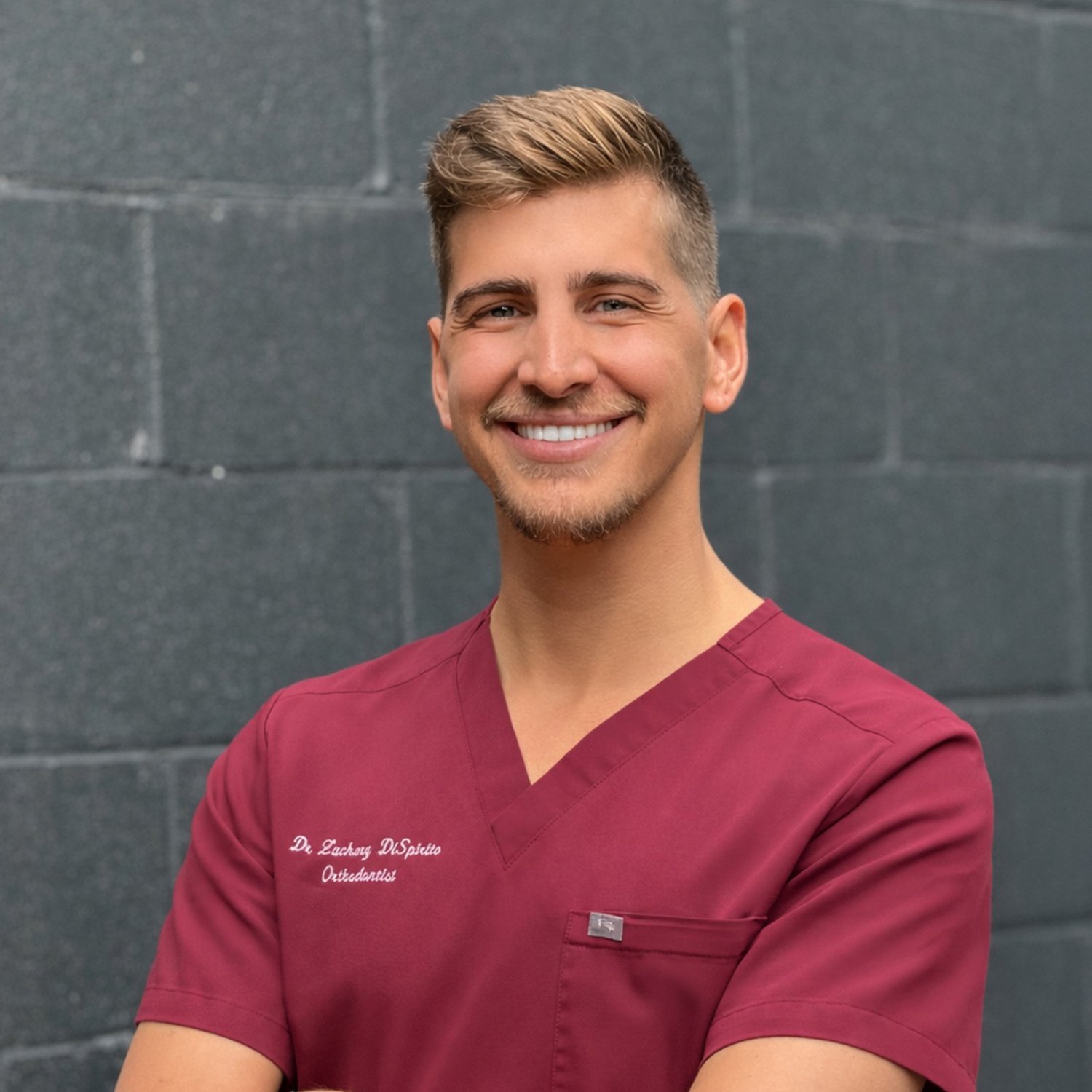
Orthodontic treatment is a significant investment, and understanding the financial picture upfront prevents surprises later. Ask about total cost, what’s included, and what might incur additional fees. Inquire about insurance acceptance and whether the practice offers payment plans. Many practices provide complimentary consultations, allowing you to gather this information before committing. At Seaport Orthodontics in the financial district, for example, board-certified orthodontists like Dr. Zachary DiSpirito, DDS MS and Dr. Alberto Bordonaba, DDS MS offer complimentary consultations that cover all of these steps. Take advantage of these opportunities to compare options side by side.
Benefits of Choosing a Qualified Orthodontic Specialist
Working with a qualified orthodontic specialist offers advantages that extend well beyond the final result. Here’s what you gain when you choose carefully.
How Does a Specialist Deliver Faster, More Predictable Results?
When your orthodontist treats complex cases daily, they develop an intuition for how teeth respond to different forces. They can often achieve results more efficiently because they’ve refined their techniques through thousands of cases. Fewer mid-course corrections can mean less time in treatment overall.
Why Does Access to Multiple Appliance Types Matter?
Specialists aren’t limited to one brand or one approach. They can offer traditional metal braces, clear ceramic brackets, Invisalign, lingual braces, and various auxiliary appliances. This flexibility means your treatment can be tailored precisely to your needs rather than forced into a single approach for every patient.
Why Does Bite Stability Matter Long-Term?
Straightening teeth is only part of orthodontic treatment. Qualified specialists also address how your teeth come together when you bite. Proper bite alignment reduces the risk of relapse, minimizes wear on tooth enamel, and can prevent or alleviate jaw concerns down the road. Think of it this way: straight teeth that don’t bite together correctly will cause problems eventually.
How Does Orthodontic Treatment Affect Confidence?
For adult patients especially, the confidence that comes with a well-aligned smile can be meaningful. Adult patients often say they feel more comfortable in meetings, presentations, and social situations once treatment is complete. The investment in your appearance often shows up in unexpected ways.
How Does Consistent Monitoring Improve Outcomes?
Orthodontic treatment involves regular check-ins, typically every four to eight weeks. Skilled orthodontists use these visits to assess progress, make precise adjustments, and catch any concerns early. This proactive monitoring prevents small concerns from becoming major setbacks.
Not every case goes exactly as planned. Teeth may move slower than expected, a bracket might come loose, or a patient’s compliance with aligners may waver. When challenges do arise, a specialist’s training and experience equip them to adapt the treatment plan and keep things on track. That depth of experience matters.
The cumulative effect of these benefits is a smoother experience and a better outcome. Orthodontic treatment takes time regardless of where you go, but the quality of that time varies dramatically based on who’s guiding your care.
Comparing Your Orthodontic Treatment Options
Orthodontists typically offer four main treatment types: metal braces, ceramic braces, Invisalign, and lingual braces. Each varies in visibility, versatility, and cost. Understanding the differences helps you have a more productive conversation during your consultation.
| Treatment Type | Visibility | Best For | Considerations |
|---|---|---|---|
| Traditional Metal Braces | Most visible | Complex cases, severe crowding, significant bite concerns | Most versatile and often most affordable; requires dietary modifications |
| Clear Ceramic Braces | Less noticeable | Patients wanting discretion with the reliability of brackets | May stain without proper care; slightly more fragile than metal |
| Invisalign | Nearly invisible when worn | Mild to moderate crowding, spacing, minor bite adjustments | Removable; requires discipline to wear 20-22 hours daily |
| Lingual Braces | Completely hidden (behind teeth) | Patients prioritizing aesthetics with complex needs | May affect speech initially; can be less comfortable on tongue |
What Are Traditional Metal Braces Best For?
Metal braces remain the most versatile orthodontic appliance. They can address virtually any case, from mild crowding to severe skeletal discrepancies. Modern brackets are smaller and more comfortable than those from decades past, and colored elastics let younger patients personalize their look.
For complex cases involving significant bite correction or tooth rotation, metal braces often provide the most predictable results. They’re also typically the most affordable option, making them a practical choice for many families.
How Do Clear Ceramic Braces Compare?
Ceramic braces work the same way as metal braces but use tooth-colored or clear brackets that blend with your enamel. They offer a more discreet appearance while maintaining the precision of traditional bracket-and-wire systems.
These are popular among adult professionals who want effective treatment without the metallic look. Worth noting: the ceramic material is slightly more brittle than metal, and the clear elastic ties can stain if you consume certain foods or beverages. If coffee is a daily habit, ask your orthodontist about stain-resistant options.
What Should I Know About Invisalign?
Invisalign uses a series of custom-fabricated clear plastic trays to gradually shift teeth into position. The aligners are removable, which means no dietary restrictions and easier oral hygiene. For patients who prioritize aesthetics and convenience, Invisalign can be an excellent choice.
Here’s the honest truth about aligners: they work best for mild to moderate cases. Severe crowding, significant bite concerns, or cases requiring substantial tooth rotation may be better served by braces. Success with Invisalign also depends heavily on patient compliance. If you’re not disciplined about wearing them 20 to 22 hours a day, results will suffer. No exceptions.
How Do Lingual Braces Differ?
Lingual braces are placed on the back surfaces of your teeth, making them completely invisible from the front. They offer the power of traditional braces with total discretion. The trade-off? Comfort and adaptation. Brackets positioned against your tongue can affect speech initially and may feel uncomfortable until you adjust. Lingual braces also require specialized training to place and adjust, so not all orthodontists offer them.
How Should I Decide Between Treatment Types?
Your orthodontist should present options based on what will work best for your specific situation, not based on what’s trending or what’s most profitable. They should explain why they recommend a particular approach and discuss alternatives if you have concerns. Manhattan patients at Seaport Orthodontics can choose from all four treatment types, allowing recommendations based purely on clinical need.
Be cautious of any provider who insists one treatment type works for everyone. Your anatomy, your goals, and your lifestyle should all factor into the recommendation. The right orthodontist takes time to understand these variables before suggesting a path forward.
What Affects the Cost of Orthodontic Treatment?
The main factors that affect orthodontic treatment cost are case complexity, treatment duration, appliance type, practice location, and insurance coverage. Orthodontic treatment represents a meaningful financial investment, and understanding what drives cost helps you plan appropriately.
How Does Case Complexity Affect Cost?
The single biggest factor in treatment cost is how complicated your case is and how long it will take to correct. Someone with mild crowding requiring twelve months of Invisalign will pay less than a patient with a severe overbite needing two years of braces plus auxiliary appliances.
During your consultation, the orthodontist will assess your specific needs and provide an estimate based on what your case actually requires. Two patients sitting in the same reception might have very different treatment plans and very different fees. That’s normal.
How Does Treatment Type Influence Pricing?
Generally speaking, Invisalign and lingual braces cost more than traditional metal braces. The materials are more expensive, and in the case of lingual braces, the technique requires additional expertise and chair time.
Ceramic braces typically fall somewhere between metal braces and Invisalign in terms of cost. Your orthodontist can provide specific pricing for each option during your consultation.
What Role Does Practice Overhead Play?
Running a practice in Manhattan involves rent, staffing costs, and operational expenses that vary by neighborhood. This overhead is reflected in treatment fees. Many orthodontic practices offer flexible payment plans that make treatment accessible regardless of these cost factors.
Don’t assume that higher fees automatically mean better care, or that lower fees indicate inferior quality. The best approach is to evaluate the orthodontist’s credentials, experience, and technology alongside their pricing.
What Should I Know About Insurance Coverage?
Many dental insurance plans include orthodontic benefits, typically covering a portion of treatment up to a lifetime maximum. Coverage varies widely by plan, so contact your insurance provider to understand your specific benefits.
Some plans cover treatment for children but not adults. Others have waiting periods before orthodontic benefits kick in. Understanding these details before you begin treatment helps you budget accurately.
What Payment Plans and Financing Options Exist?
Most orthodontic practices offer payment plans that spread the cost over the duration of treatment. Some offer discounts for paying in full upfront. Seaport Orthodontics in the financial district, for instance, offers flexible payment plans and complimentary consultations to help patients understand the full financial picture before making any decisions. Use these visits to ask detailed questions about what’s included in the quoted fee and what might incur additional charges.
Who Should See an Orthodontist? Candidacy for Children, Teens, and Adults
Orthodontic treatment isn’t limited to teenagers with braces. Patients of all ages can benefit from specialist care, though the timing and approach may differ.
Why Should Children Be Evaluated by Age Seven?
The American Association of Orthodontists recommends that children have their first orthodontic evaluation by age seven. At this stage, enough permanent teeth have typically emerged to allow an orthodontist to identify developing concerns, even if active treatment isn’t needed right away.
Early evaluation doesn’t always mean early treatment. In many cases, the orthodontist will simply monitor growth and development, intervening only if necessary. Catching certain concerns early can prevent more invasive treatment later.
What Is Phase I Treatment for Growing Children?
Some children benefit from Phase I treatment, also called interceptive orthodontics. This typically occurs between ages seven and ten and addresses concerns like severe crowding, crossbites, or jaw growth discrepancies.
Phase I treatment can guide jaw development, create space for erupting permanent teeth, and correct habits like thumb sucking that affect dental alignment. Not every child needs this early intervention. But for those who do, it can simplify or even eliminate the need for full treatment later.
When Is the Best Time for Teenage Orthodontic Treatment?
Adolescence remains the most common time for orthodontic treatment. Most permanent teeth have erupted, but the jaw is still growing, making it an ideal window for thorough correction.
Today’s teenagers have more options than ever. Invisalign has become popular among teens who want a less noticeable treatment, though traditional braces remain highly effective and are often the best choice for complex cases.
Why Are More Adults Seeking Orthodontic Care?
Adults now represent a significant and growing portion of orthodontic patients. If you didn’t have braces as a teenager, or if your teeth have shifted since then, it’s not too late. Healthy teeth can be moved at any age.
Adult patients often have different priorities than teens. Discretion matters more, and treatment needs to fit around professional and social commitments. Invisalign and ceramic braces address these concerns while still delivering excellent results. Adults in Manhattan with crowding, spacing, bite concerns, or TMJ discomfort are all strong candidates for orthodontic evaluation.
Is There an Upper Age Limit for Orthodontic Treatment?
There is not. As long as your teeth and gums are healthy, orthodontic treatment can work for you. Patients in their fifties, sixties, and beyond successfully complete treatment every day. The biological process of tooth movement doesn’t stop at a certain age. The board-certified orthodontists at Seaport Orthodontics in Lower Manhattan treat patients of all ages, from children as young as seven to adults well into their sixties and beyond.
If you’ve been considering orthodontic care but assumed you’d missed your window, schedule a consultation. You might be surprised by what’s possible.
Frequently Asked Questions About Choosing an Orthodontist
What questions should I ask at an orthodontic consultation?
Come prepared with questions that help you understand both the clinical and practical aspects of treatment. Ask about the orthodontist’s credentials, including whether they’re board-certified. Inquire about what treatment options they recommend for your case and why. Request to see before-and-after photos of similar cases. Get clear information about expected treatment duration, visit frequency, total cost, payment options, and what happens if complications arise.
Is it worth seeing an orthodontist instead of using mail-order aligners?
Yes, in most cases. Mail-order aligner companies offer convenience and lower upfront costs, but without in-person examinations, X-rays, and regular monitoring, concerns can go undetected until they become serious. The American Association of Orthodontists has raised concerns about remote treatment that bypasses professional oversight. For anything beyond the mildest cases, the expertise of an in-person orthodontist provides safety and predictability that mail-order options cannot match.
How long does orthodontic treatment typically take for adults?
Most adult orthodontic treatment takes between twelve and twenty-four months. Mild cases with Invisalign may finish sooner, while complex cases requiring significant bite correction may take longer. Your orthodontist will provide a more specific estimate after evaluating your teeth, bite, and treatment goals during your consultation.
Can I switch orthodontists mid-treatment if I’m unhappy?
Yes, it’s possible to transfer care to a new orthodontist, though it involves some complexity. You’ll need to obtain your records from your current provider, and the new orthodontist will need to assess where you are in treatment and develop a plan to continue. There may be financial implications depending on how payment was structured with your original provider, so schedule consultations with potential new orthodontists to discuss the transition process before making any decisions.
Does insurance cover adult braces or Invisalign?
Many dental insurance plans include orthodontic benefits for adults, though coverage varies significantly. Some plans have age limits that exclude adult treatment, while others cover patients of any age up to a lifetime maximum. The type of treatment, whether braces or Invisalign, typically doesn’t affect coverage. Contact your insurance provider directly to understand your specific benefits.
How do I know if an orthodontist is right for me?
Beyond credentials and technology, trust your instincts about the relationship. You’ll be seeing this provider regularly for one to three years. Notice whether you feel heard, whether explanations make sense, and whether the team seems invested in your care. The right orthodontist combines clinical expertise with a communication style that works for you. If something feels off during the consultation, it’s okay to keep looking. Seaport Orthodontics offers complimentary consultations so patients can experience the practice firsthand and make a confident, informed decision.